A worn chancel floor, failing plaster above the pews, dim lighting, or a leak near stained glass can seem like separate maintenance concerns. In a sanctuary, they are rarely separate. Each decision affects worship, safety, historic character, and the congregation’s ability to care for the house of God. Choosing the right church sanctuary renovation contractor begins with finding craftsmen who see the building as more than a construction project.
A sanctuary carries the prayers, baptisms, weddings, funerals, and weekly worship of generations. Renovation should strengthen that ministry without erasing the features that give the room its reverence and identity. That takes technical skill, careful planning, and a commitment to stewardship.
What a Sanctuary Renovation Really Requires
Sanctuary work is different from ordinary commercial remodeling. A contractor may be capable of installing drywall, paint, flooring, and lighting in a standard building while lacking the experience to work around historic millwork, ornate plaster, pipe organs, stained glass, decorative ceilings, or aging structural systems.
Church leaders often first notice visible symptoms: peeling paint, water stains, cracked plaster, damaged pews, uneven floors, or outdated finishes. Yet the visible condition is only part of the story. Water entering through a roof, tower, masonry joint, window frame, or failed flashing can travel a long way before appearing inside the sanctuary. Covering the stain without correcting the source simply delays a more expensive repair.
A qualified church restoration team investigates the whole condition of the building. That may mean examining rooflines, gutters, exterior masonry, window openings, attic framing, ceiling systems, and mechanical equipment before specifying interior repairs. The goal is not merely to make the sanctuary look refreshed. It is to protect it from the conditions that caused deterioration in the first place.
Start With the Building’s Story
Before approving colors, carpets, or new fixtures, gather what the church knows about its building. Old photographs, original plans, renovation records, insurance reports, and maintenance notes can reveal what has changed and what may still be original. Even an informal history from long-serving members can be valuable.
This record helps a contractor distinguish between features worth preserving and later additions that may no longer serve the congregation. Original woodwork, plaster medallions, decorative stenciling, stained glass, and carved furnishings may deserve conservation rather than replacement. On the other hand, worn platform finishes, inadequate wiring, failing HVAC components, or inaccessible seating layouts may call for thoughtful updates.
Historic preservation does not mean freezing a sanctuary in time. It means making wise changes that respect the building’s architectural language. A well-planned renovation can improve safety, acoustics, lighting, accessibility, and comfort while retaining the sacred atmosphere members recognize when they enter to worship.
How to Evaluate a Church Sanctuary Renovation Contractor
The right partner should be ready to ask detailed questions, inspect more than the obvious problem, and explain recommendations in plain language. Church leaders should not have to guess whether a proposed repair is cosmetic, temporary, or designed to last.
When reviewing contractors, ask about four practical areas:
- Church and historic-building experience. Request examples of work involving sanctuaries, plaster, decorative surfaces, stained glass, masonry, roofs, steeples, or other church-specific conditions.
- Diagnostic process. Ask how the contractor identifies moisture sources, structural concerns, hazardous materials, and hidden deterioration before renovation begins.
- Access and protection methods. Interior furnishings, pulpits, organs, stained glass, and memorial items need protection. Exterior work may require specialized high-access methods rather than disruptive equipment across the property.
- Project communication. Confirm who will provide updates, how change conditions are documented, and how the work schedule will be coordinated with worship, weddings, funerals, ministries, and seasonal events.
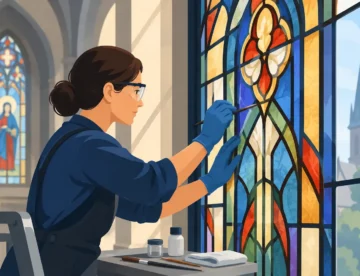
Experience matters because sanctuaries contain materials that cannot be treated casually. Historic plaster may need stabilization rather than demolition. Lead-based coatings may require controlled handling. Stained glass requires careful removal, protection, or repair by qualified hands. Original wood features can be damaged by overly aggressive stripping, unsuitable coatings, or poorly managed humidity.
A dependable contractor will also explain the limits of what can be known before work begins. Older buildings sometimes reveal rot, structural damage, obsolete wiring, or concealed water intrusion after finishes are opened. That possibility is not a reason to avoid the project. It is a reason to establish a clear process for documenting discoveries, pricing necessary changes, and receiving approval before additional work proceeds.
Plan Renovation Around Worship, Not Just Construction
The sanctuary is not an empty room waiting for a construction schedule. It is the center of gathered worship. A sound renovation plan respects that reality.
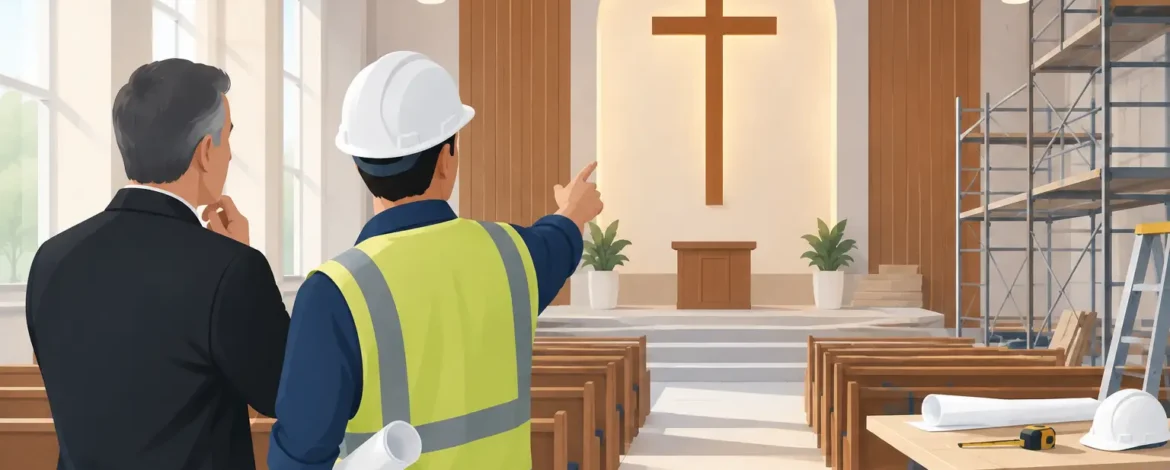
For some churches, the work can be staged around Sunday services, holiday programs, and weekday ministries. For others, moving worship temporarily to a fellowship hall or nearby space may reduce total project time and protect the congregation from dust, noise, and restricted access. The best choice depends on the scope of work, safety requirements, the church calendar, and the condition of the building.
Early planning makes this easier. Share major dates with the contractor from the start, including Easter, Christmas, revivals, conferences, weddings, and scheduled funerals. Discuss how furnishings will be moved and stored, what areas must remain accessible, and whether work can be completed in phases. A contractor who understands church life will treat these dates as part of the project requirements, not as inconveniences.
Dust control, floor protection, temporary barriers, ventilation, and daily cleanup deserve specific attention. These details protect valuable furnishings and allow staff members to continue their work with fewer disruptions. They also communicate care to a congregation that may feel understandably protective of a beloved sanctuary.
Budget for the Work Beneath the Finish
A fresh coat of paint can be a meaningful part of sanctuary renewal, but it should not consume funds needed for repairs that preserve the building. If leaks, loose masonry, failing roof systems, decayed framing, or deteriorated windows are present, those conditions should be addressed before interior finishes are restored.
This is where stewardship requires discernment. The least expensive bid is not always the lowest-cost path. A low initial price may exclude surface preparation, moisture correction, proper materials, protection of historic features, or the access needed to perform work safely. Those omissions often return as repeat repairs, further damage, and added expense.
Ask for a scope that separates urgent repairs from recommended improvements and long-range preservation needs. This gives trustees and building committees a practical way to prioritize. A church may need to repair active leaks immediately, stabilize deteriorating plaster in the next phase, and plan decorative restoration as funds allow. Phased work can be wise when it follows a sound sequence rather than postponing damage that is actively worsening.
A responsible contractor should also help the church understand where investing in durable materials and skilled preparation will make the greatest difference. For example, a properly repaired and protected window opening may preserve interior finishes, stained glass, and wall systems for years. Cutting corners on that exterior detail can place all of those assets at risk again.
Preserve Character While Serving the Next Generation
A sanctuary renovation should welcome future generations without suggesting that the faithfulness of the past has no place. The aim is not to make every church look alike. It is to restore each congregation’s space so that it continues to support prayer, preaching, music, fellowship, and service.
That may involve renewing original details, improving lighting for Scripture reading, repairing seating, correcting hazardous floors, updating electrical capacity, or improving access for members with mobility challenges. Each decision should be measured against the church’s ministry needs and the building’s character.
At Inspired Heights Ministries, this work is approached as service to Christ: preserving churches with skilled craftsmanship so congregations can keep using the spaces entrusted to them. The strongest renovation projects begin with honest assessment, clear priorities, and a shared respect for both the building and the people who worship within it.
When your sanctuary shows signs of age, begin before the damage becomes an emergency. Walk the room with fresh eyes, document what you see, and invite qualified craftsmen to identify what the building is asking for. Faithful stewardship often starts with one practical step taken at the right time.